Treatment for C-PTSD & Childhood Trauma
Be seen. Be heard. Be supported.
online throughout maryland, New York, & Vermont

It’s not just what happened;
it’s the voice it left behind.
When you’ve experienced childhood or complex trauma, the danger doesn't always stay in the past. It moves into your mind as an inner critic that never lets up. You might find yourself constantly "checking" your behavior, apologizing for things that aren’t your fault, or feeling a deep, heavy sense of shame that you can’t quite name.
You’ve likely been told you’re “too sensitive” or that you should “just let it go.” When you grow up in an environment that doesn't feel safe, your mind and body learn that staying on high alert is the only way to get by. That constant watchfulness was a tool that protected you then, but it is exhausting you now.
At Work: You push yourself to the limit to prove your worth, leading to a cycle of total burnout.
At Home: You aren’t the partner or parent you want to be. You find yourself shutting down or reacting in ways that leave you feeling guilty and disconnected.
In Your Health: You’re always on edge. Whether it’s trouble sleeping, a complicated relationship with food, or chronic stomach issues, your body is carrying the stress you can’t put down.
In Your Healing: Maybe you’ve tried therapy or self-help books, but that heavy sense of shame hasn't shifted. You can't just think your way out of a feeling that is rooted so deeply.
You aren't broken, and you aren't alone. You have simply been protecting yourself for a very long time.
It’s time to quiet that inner critic and finally
find the peace you’ve been working so hard to earn.
Our approach
Professional guidance rooted in deep experience
Healing from complex trauma requires more than just a sympathetic ear; it requires a therapist who understands why your mind and body stay stuck in the past, even when you’re doing your best to let go. Our practice is built on a foundation of evidence-based treatment and a deep commitment to identity-affirming care.

Randi Robbins, LCSW
With over a decade of dedicated experience in trauma treatment, Randi specializes in helping individuals navigate the "hidden" wounds of childhood. As a therapist certified in EMDR (Eye Movement Desensitization and Reprocessing) and other proven trauma modalities, she focuses on moving beyond insight and toward true relief.
Randi has a particular expertise in working with: people in high-pressure careers, Adult Children of Addiction, and “outsiders,” people who have felt unable to connect to community.
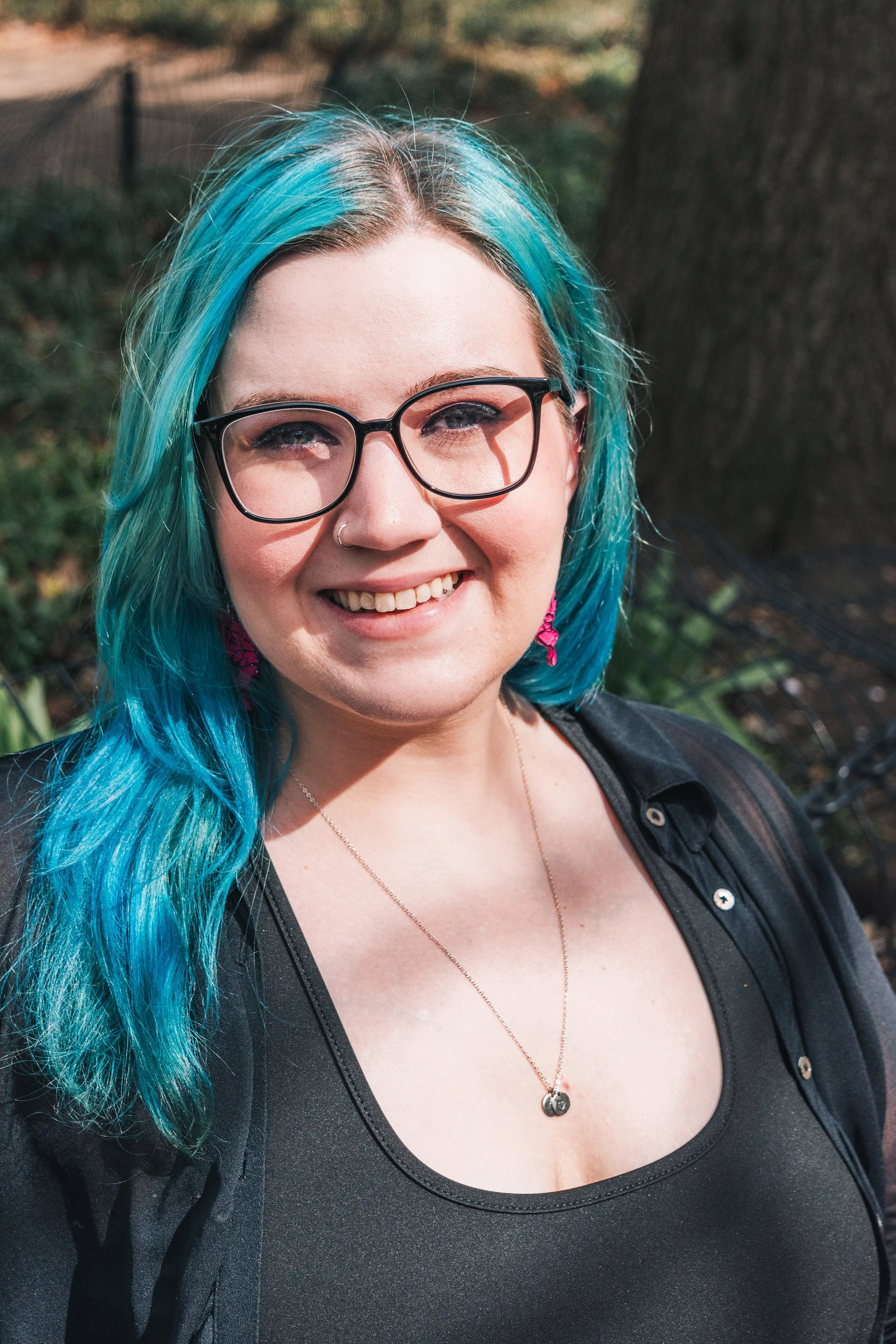
Sam Wilkinson, LMSW
Sam brings a compassionate, highly specialized lens to trauma recovery, integrating EMDR and TF-CBT (Trauma-Focused Cognitive Behavioral Therapy) to help clients reclaim their sense of agency. Sam’s approach is rooted in the belief that healing is an act of reclamation—taking back the parts of yourself that trauma tried to dim.
Sam’s areas of specialized focus include: survivors of domestic violence, LGBTQ+ affirming care, and chronic illness.
The Next Step on Your Path to Healing:
What to Expect
1
Consultation
(The “Vibe Check”)
We start with a free 15-minute phone or video consultation. This isn't a therapy session; it’s a chance for you to see if you feel safe and heard by us. You can ask questions about our approaches, and we can discuss whether our practice is the right fit for your specific needs. There is no pressure to commit.
2
Intake Session
(Getting the Lay of the Land)
In your first session, we’ll talk about what is bringing you in now. While we will touch on your history, you do not have to "tell your whole story" or relive your trauma. We focus on your current symptoms—like burnout, people-pleasing, or family stress—and what you hope your life will look like as you heal.
3
Therapy
(Leaving the Past Behind)
We’ll create a roadmap together. Whether your priority is setting boundaries with your family of origin, reducing work-related burnout, or processing specific childhood memories using ART or EMDR, you are in the driver's seat. With those goals in mind, we’ll work towards your healing at the pace that works for you.
What life looks like when the weight is lifted
-
That constant "background hum" of anxiety and self-doubt begins to fade, leaving room for actual peace.
-
You’ll find the strength to set boundaries that stick, without the crushing guilt that usually follows.
-
Instead of spiraling when triggered, you’ll have the internal "buffer" to stay present and choose how you want to show up
-
When your body isn't spending all its fuel on survival, you’ll find you have more energy for the things and people you actually love.
-
Moving from "What is wrong with me?" to a place of genuine self-compassion and curiosity.
We want you to know:
It’s never too late to
change your life.
faqs
Common questions about therapy for childhood trauma
-
There is no such thing as “not bad enough.” If what happened still bothers you or negatively affects your life, you deserve to heal from it. We don’t get to decide what traumatizes us. Our brains and bodies react on an instinctive level, and we get stuck in that reaction. What triggers that reaction is different for each person, and is influenced by a wide variety of things.
-
The types of therapy that I offer don’t require that you remember what happened for you to go through the healing process. Even if we can’t get to a memory of something, our body and brain still know it happened. There are ways to work through and heal that.
-
Many important developmental things happen throughout our childhoods, and those things lay the foundation for the rest of our lives. Research has shown that childhood stress affects not only our mental health, but our physical health, as well. It may be affecting you in ways you haven’t connected to what happened in your childhood. In healing those childhood wounds now, you can improve your mental and physical well-being for the rest of your life.
-
Talk therapy works with the "thinking" part of the brain (the prefrontal cortex). Trauma, however, lives in the "survival" part of the brain (the limbic system). You can know you are safe intellectually, but still feel terrified. We use somatic and "bottom-up" therapies to reach the parts of the brain that talk therapy often misses.
Ready to get started?