Couples Counseling
in New York
For every relationship
and everything it's going through
online therapy available In
Maryland, New York, & Vermont

You love each other.
So why does it feel this hard?
Lately, the distance between you feels like it's grown into something you don't know how to cross. Maybe you keep having the same argument, cycling through it until someone shuts down or walks away. Maybe you've stopped fighting altogether, but the silence doesn't feel like peace. Maybe something happened that broke trust, and you're both showing up every day trying to hold the relationship together without really knowing how.
You might feel like you're roommates, co-parents, or business partners who used to be something more. Or maybe the love is still very much there, but it keeps getting buried under old wounds — yours, theirs, both of yours — that neither of you know how to talk about.
Whatever brought you here, one thing is true: you're still showing up. That matters.
“Human beings are a species evolved for secure connection with others…
But some of us wonder if we can feel secure without being abandoned,
and some of us wonder if we can feel secure without being overwhelmed.
Some of us a little of both.”
― Allyson Dinneen

The reason it feels this hard
Most relationship struggles aren't really about the dishes, the finances, or even the thing you argued about last Tuesday. They're about attachment: the deep, often unspoken need to feel safe, seen, and chosen by your partner. When that foundation feels shaky, even small moments can become flashpoints.
This is especially true for couples navigating past trauma, neurodivergence, chronic illness, or the weight of living in a world that hasn't always affirmed who you are. The way your nervous systems respond to each other and the patterns you learned before you ever met matter. They shape what happens between you more than you might realize.
At Robbins Therapy, we don't just help you communicate better on the surface. We help you understand each other at a deeper level, so the changes you make actually last.
We draw on some of the most well-researched, effective approaches in couples therapy because we've seen what helps people truly reconnect. Your therapist will tailor the work to what fits your relationship best.
Our methods include the Gottman Method, Emotionally Focused Therapy (EFT), and PACT (Psychobiological Approach to Couples Therapy). Together, these approaches help couples understand the patterns beneath their conflict, rebuild emotional safety, and create lasting change, not just surface-level fixes.

Our Team
At Robbins Therapy, we don't just help you communicate better on the surface. We help you understand each other at a deeper level, so the changes you make actually last.
We draw on some of the most well-researched, effective approaches in couples therapy because we've seen what helps people truly reconnect. Your therapist will tailor the work to what fits your relationship best.
Our methods include the Gottman Method, Emotionally Focused Therapy (EFT), and PACT (Psychobiological Approach to Couples Therapy). Together, these approaches help couples understand the patterns beneath their conflict, rebuild emotional safety, and create lasting change, not just surface-level fixes. Learn more about us below.

Randi is the founder of Robbins Therapy and brings deep expertise in trauma-informed care, neurodivergence in relationships, and nonmonogamy. She brings both warmth and precision to helping couples untangle what's gotten stuck. Randi is a Level 2 Gottman Method therapist, and combines that with Emotionally-Focused Couples Therapy (EFT or EFCT).
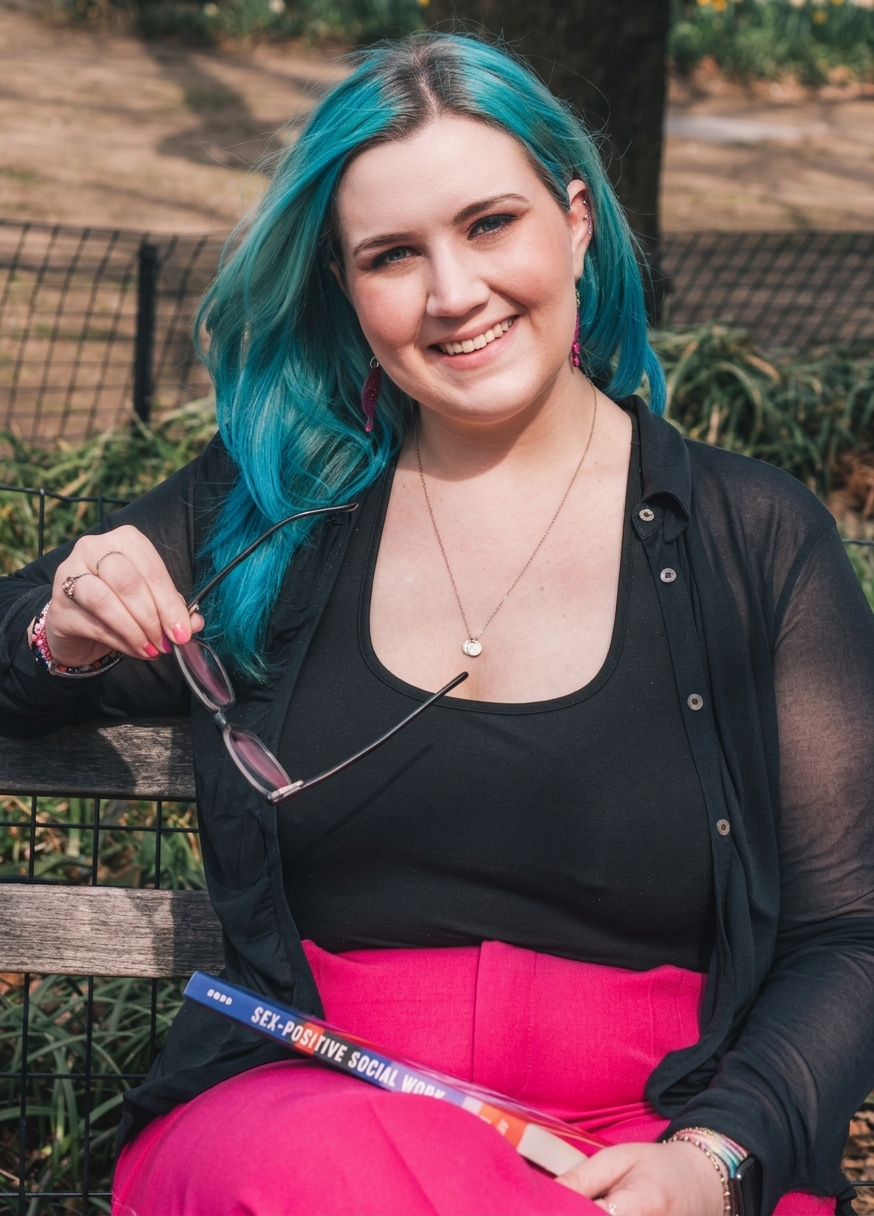
Sam brings a depth-oriented, affirming lens to couples work, with a particular commitment to exploring the role that shame, relational wounds, and systemic harm play in how we love each other. She believes relationships can be a profound space for healing, and she approaches this work with genuine curiosity and care. Sam specializes in the Psychobiological Approach to Couples Therapy (PACT).
Who we work with
Couples therapy for all kinds of relationships
We work with couples (and throuples and more) across the full spectrum of identities, orientations, and relationship structures. You will never need to explain your relationship to us, defend your choices, or wonder whether we're judging you.
We work with LGBTQIA+ couples of all kinds. We bring genuine affirmation and our own lived experiences, not just tolerance.
We work with polyamorous and other nonmonogamous relationships. Whether you're navigating a newly opened relationship, in a long-established polycule, or curious about it, we understand the unique dynamics and challenges that come with ethical nonmonogamy. You won't have to spend your session time educating us on the basics.
We work with couples navigating neurodivergence, chronic illness, and other experiences that shape how you connect and communicate. We understand that these things aren't separate from your relationship — they're part of it.
And we work with couples at all stages: newly committed and wanting to start on solid ground, long-term partners who've grown apart, or anywhere in between.
What things could look like on the other side
There’s a new ease between you.
Conversations flow more freely. They’re softer, more honest, and more connected. You're not bracing for impact the way you used to. Disagreements still happen, but you face hard things together.
You reach for each other instead of turning away.
Not just in the big moments, but in the quiet ones — the kind that used to pass without notice, and now feel like something you'd miss.
You feel known.
The parts of you that once felt like too much (or not enough) have found a place in this relationship. There's room for all of it, all of you, now.
It isn’t too late:
Reclaim your love today
faqs
Common questions about couples therapy
-
We are an out-of-network provider and don’t bill insurance directly. We work with Thrizer, a service that uses your out-of-network benefits to reduce your costs. We can also provide a superbill that you can submit to your insurance company directly. Many clients find that these options work well for them. You can find more information about this on our fees page.
-
It depends on what you're working through and what your goals are. Some couples come in for a few months around a specific challenge, and others benefit from longer-term support. We'll talk about this with you at the start and revisit it as you go. We use evidence-based couples therapy methods to help you heal your relationship and graduate from therapy as soon as you’re ready, not keep you coming week after week.
-
We hear this often. Not all couples therapy is the same. The approach, the fit with your therapist, and the depth of the work all make a significant difference. Our methods are evidence-based and trauma-informed, and we tailor our approach to your relationship’s unique needs. We'd invite you to share what didn't work before; it often gives us a useful place to start.
-
That's more common than you might think. We don't require both partners to feel equally ready or motivated at the start. What we do ask is that both people are willing to show up and try. If one partner is skeptical, that's something we can work with — openly and without pressure.
-
We aren’t afraid of anything your relationship is going through. No problem is too big. We are ready to support you through this journey.
Ready to get started?